

The way people discover businesses online is changing. Customers still use search engines to compare products and services, but they also ask AI assistants for recommendations, explore social media for opinions, watch videos before purchasing, and click advertisements when they are ready to act. Businesses that rely on only one marketing channel may miss valuable opportunities to connect with their audiences.
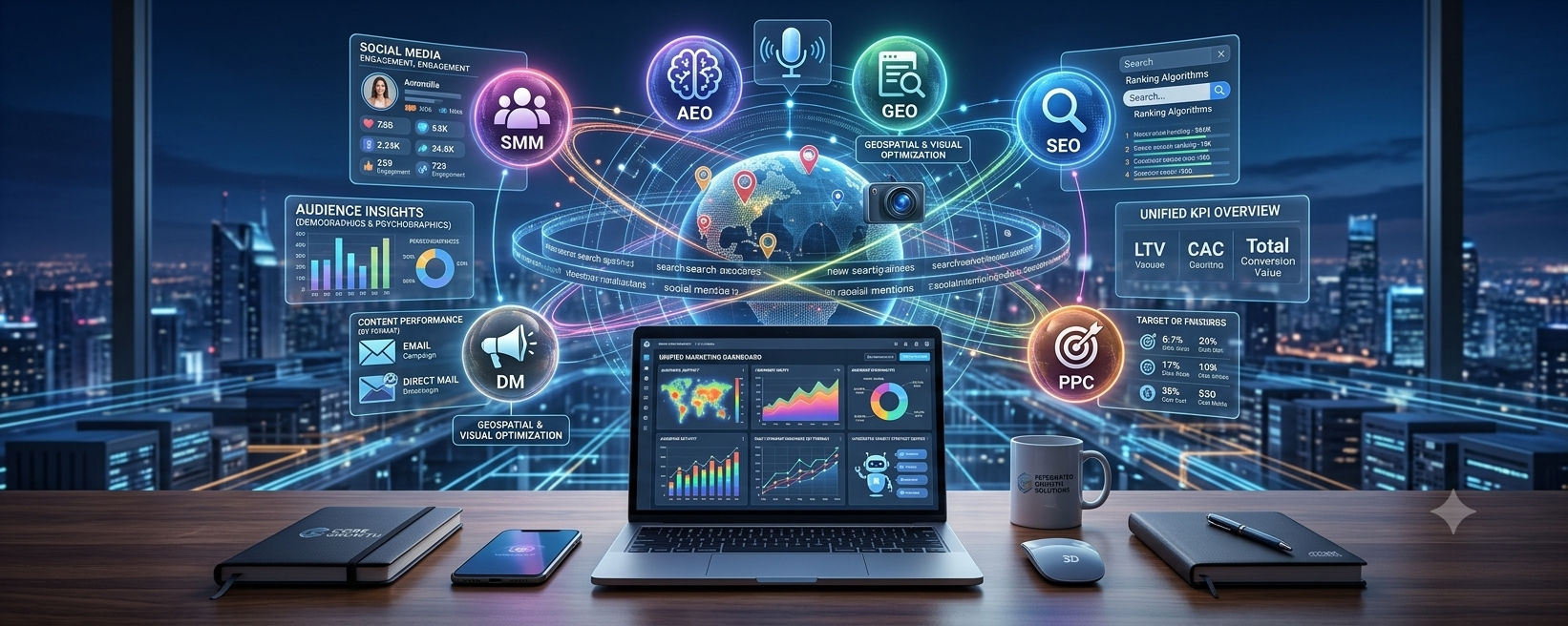
A successful Digital Growth Strategy combines Answer Engine Optimization (AEO), Generative Engine Optimization (GEO), Search Engine Optimization (SEO), Social Media Marketing (SMM), Digital Marketing (DM), and Pay Per Click (PPC) advertising. When these services support one another, businesses can build stronger online visibility, establish credibility, attract relevant visitors, and create more opportunities for conversions.
1. Understanding the Shift Beyond Traditional SEO
Traditional SEO helps websites become more discoverable through relevant search results. However, customers now interact with different digital platforms throughout their buying journey. They might search Google for a service, ask ChatGPT for recommendations, check LinkedIn for business credibility, and visit a company's website before contacting its team.
This makes AI Search Visibility an important consideration alongside conventional search performance. Businesses need clear website content, useful information, trustworthy references, and a consistent brand presence across relevant platforms.
For example, a Chennai-based software company can publish detailed service pages, answer common customer questions, maintain accurate business information, and share educational content on social media. These activities create multiple opportunities for potential customers to discover and evaluate the company.
The objective is not simply to attract more clicks. It is to help the right people find relevant information and feel confident enough to take the next step.
2. AEO: Make Your Content Answer Customer Questions
Answer Engine Optimization (AEO) focuses on making content useful and understandable for systems that provide direct answers to questions. Customers increasingly expect quick, clear explanations instead of searching through multiple pages.
Relevant platforms include ChatGPT, Google Gemini, Microsoft Copilot, Perplexity, Claude AI, Meta AI, and You.com.
To strengthen AEO, businesses should create concise answers to genuine customer questions, organize articles with descriptive headings, explain technical concepts in plain language, and support important claims with credible evidence. A well-structured FAQ section can help users find answers without unnecessary effort.
For example, a web development company could answer questions such as “How much does a business website cost?” or “When should a company redesign its website?” The answers should be specific, informative, and supported by relevant service information.
No optimization method can guarantee that an AI platform will mention a particular business. The practical goal is to publish reliable information that systems and people can understand and evaluate.
3. GEO: Improve Visibility Across Generative Search
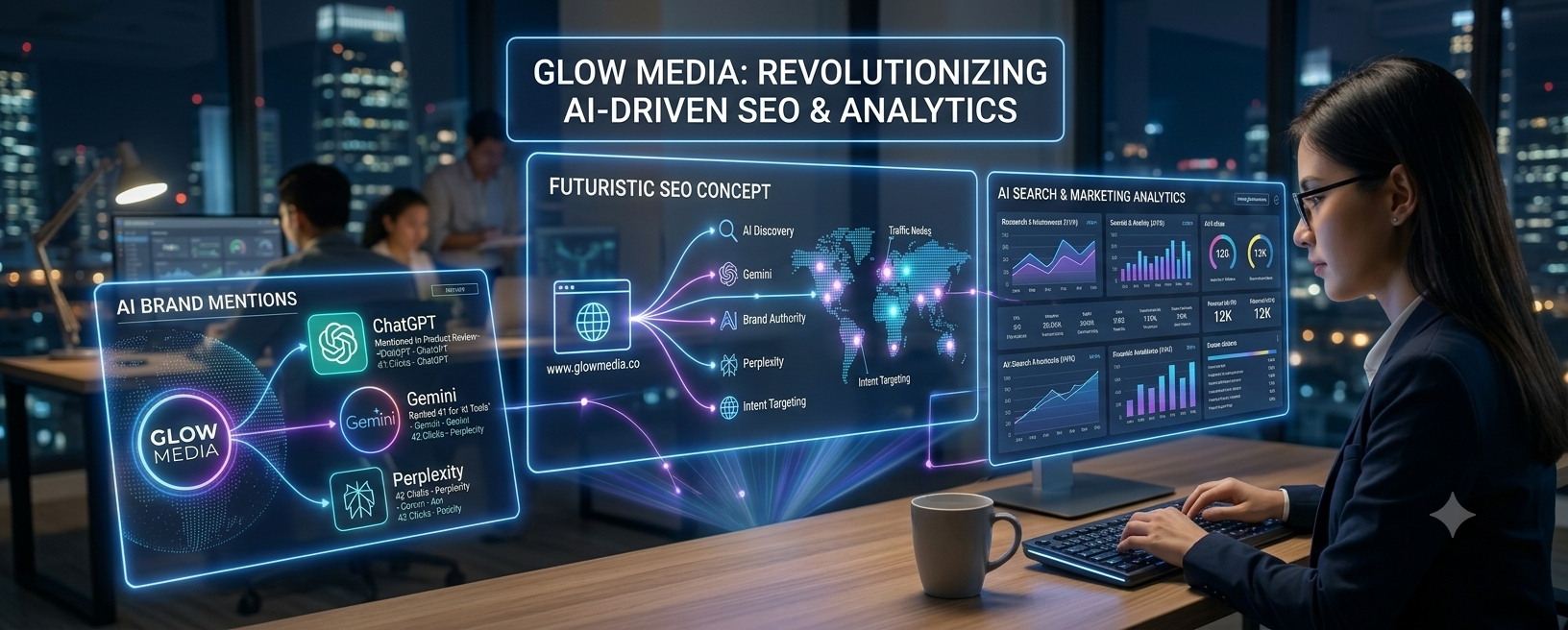
Generative Engine Optimization (GEO) focuses on improving the likelihood that a brand's useful information is understood, referenced, or cited in generative AI responses.
Businesses can consider platforms and discovery environments such as Google Search AI, Microsoft Bing AI, DuckDuckGo AI, and relevant publishing platforms such as Substack.
A strong GEO approach starts with original, well-organized content. Publish practical guides, demonstrate industry knowledge, use consistent business details, and support factual statements with reliable sources. Explain what your business does, whom it serves, and how its solutions address specific problems.
Brand mentions, expert contributions, and useful references across reputable websites may also help establish credibility. However, presence on a particular platform does not automatically guarantee inclusion in AI-generated answers.
GEO should complement SEO rather than replace it. Businesses still need accessible web pages, useful content, and a technically sound website.
4. SEO: Build a Strong Foundation for Organic Discovery
Search Engine Optimization (SEO) remains essential for helping customers discover relevant web pages through search engines. A comprehensive strategy can include several connected disciplines:
-
E-Commerce SEO improves product and category page discoverability.
-
On-Page SEO optimizes titles, headings, content, internal links, and page structure.
-
Off-Page SEO supports reputation and authority through relevant, credible external references.
-
Content SEO aligns useful articles and service pages with search intent.
-
Local SEO helps businesses reach customers searching within specific locations.
-
Multilingual SEO makes relevant content accessible to audiences searching in different languages.
These activities should begin with understanding customer needs. Keyword research helps identify how people describe their problems, while competitor analysis can reveal gaps in existing content.
Technical improvements matter too. Mobile usability, crawlability, page performance, clear navigation, and accurate indexing all contribute to a stronger website foundation.
Instead of producing multiple pages targeting nearly identical keywords, create focused pages that answer different questions. This improves the user experience and gives each page a clear purpose.
5. SMM: Turn Social Engagement into Brand Awareness
Social Media Marketing (SMM) helps businesses build relationships, communicate their expertise, and stay connected with potential customers.
Depending on the audience, campaigns may use Facebook Marketing, Instagram Marketing, LinkedIn Marketing, X (Twitter) Marketing, YouTube Marketing, Google My Business (Google Business Profile), Bing Map Promotion, TikTok Marketing, Pinterest Marketing, and Reddit Marketing.
Each platform serves a different purpose. LinkedIn can support professional networking and business-to-business communication. Instagram and TikTok can showcase products, services, and short educational videos. YouTube can host detailed tutorials, while Facebook can support community engagement.
The most effective approach is not to publish identical content everywhere. Adapt the format and message to each platform, respond to relevant comments, and share information that genuinely helps the audience.
Social engagement can strengthen brand familiarity, but it should not be treated as a direct guarantee of higher organic rankings. Measure its contribution through meaningful indicators such as referral traffic, enquiries, engagement quality, and assisted conversions.
6. Digital Marketing: Connect Every Customer Touchpoint
Digital Marketing (DM) brings multiple online communication channels together into a coordinated strategy.
Useful activities include WhatsApp Marketing, Video Marketing, Reputation Management, Forum & Microblogging, Wikipedia Services, Quora Marketing, Blog Posting, Link Submission, Email Marketing, and Classified Listing.
Each activity needs a clear purpose. Email marketing can nurture interested prospects, while WhatsApp can support customer communication when users have given appropriate permission. Video marketing can demonstrate products or explain complex services. Reputation management helps businesses monitor feedback and respond professionally.
Blog posting and relevant link submissions can help distribute useful resources. Classified listings may provide additional discovery opportunities when the directory is reputable and appropriate for the business. Forum participation should prioritize genuine answers rather than repetitive promotion.
Wikipedia contributions must follow its editorial policies and independence requirements; it should not be treated as a promotional listing service.
Integration is what makes these channels more valuable. A useful blog article can be shared through email and social media, while its performance data can guide future content decisions.
7. PPC: Reach High-Intent Audiences with Paid Advertising
Pay Per Click (PPC) advertising can help businesses reach relevant audiences while organic visibility develops. Common channels include Google Ads and Meta Ads.
Paid campaigns work best when they target clear business objectives. A service provider might use search advertising to reach people actively looking for a solution, while social advertising could introduce a service to a carefully selected audience.
Strong campaign management involves keyword selection, audience targeting, relevant ad copy, suitable landing pages, conversion tracking, and regular budget reviews. Negative keywords and audience exclusions can also help reduce irrelevant spending.
PPC should be evaluated through qualified leads, conversion rates, cost per acquisition, and return on advertising spend not impressions alone. Paid traffic cannot replace a trustworthy website or a clear offer, so landing-page quality remains essential.
8. Bring AEO, GEO, SEO, SMM, DM, and PPC Together
The strongest strategy connects all six disciplines instead of managing them as separate activities.
Imagine a company launching a new service. SEO research identifies relevant customer questions. Content specialists develop a detailed service page and helpful article. AEO principles make important answers easy to understand, while GEO practices support clear, credible, well-structured information.
The company then distributes the article through appropriate social channels and email. PPC campaigns reach relevant prospects, and analytics reveal which pages and campaigns generate qualified enquiries. Customer questions and feedback inform the next round of content improvements.
This creates a continuous cycle of research, publishing, distribution, measurement, and refinement.
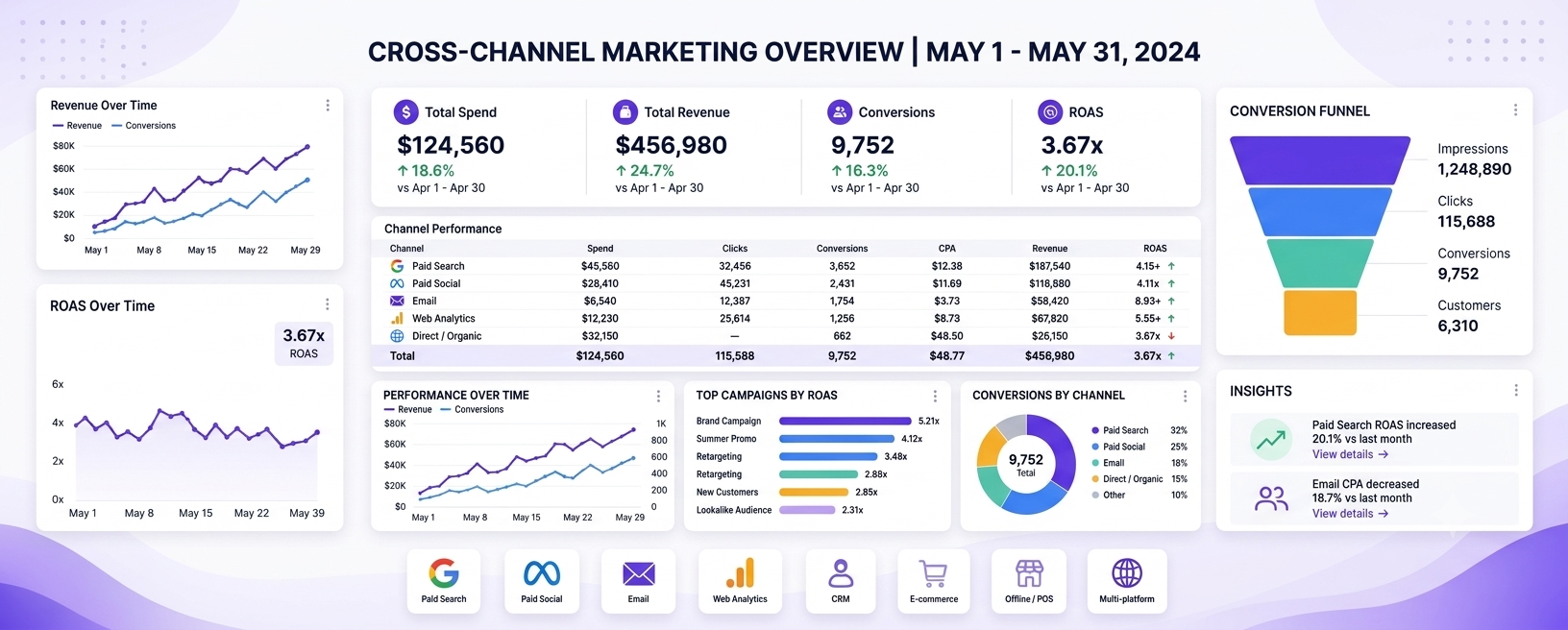
Businesses should monitor organic clicks, relevant keyword visibility, qualified enquiries, conversion rates, paid campaign costs, referral traffic, and mentions in AI-generated answers where they can be measured reliably. Results should be reviewed over time rather than judged by a single ranking or short-term traffic change.
9. Building Sustainable Digital Growth
Sustainable digital growth comes from understanding customers and consistently delivering useful experiences. Businesses should prioritize original content, accurate information, accessible websites, genuine customer relationships, and transparent marketing practices.
Avoid keyword stuffing, fabricated reviews, low-quality link schemes, and mass-produced pages that add little value. These shortcuts can undermine trust and waste resources.
A balanced strategy connects discoverability with credibility and conversion. SEO supports organic discovery, AEO improves answer-focused content, GEO addresses generative search visibility, SMM builds audience relationships, digital marketing coordinates communication, and PPC provides targeted paid reach.
For businesses that want a clearer path forward, SEOAD provides services across these areas. A coordinated strategy can help identify opportunities, prioritize improvements, and connect marketing activity with measurable business objectives.
The future of digital growth is not about choosing one channel over another. It is about making every relevant customer touchpoint work toward a shared goal: helping people find your business, understand its value, and confidently choose the right solution.
Frequently Asked Questions (FAQs)
1. What is the difference between SEO, AEO, and GEO?
SEO improves organic search discoverability. AEO focuses on clear answers to user questions, while GEO focuses on making useful brand information more likely to be understood, referenced, or cited by generative AI systems.
2. Can businesses use AEO and GEO alongside traditional SEO?
Yes. They can work together through technically accessible websites, accurate information, useful content, descriptive headings, credible references, and answers that address genuine customer needs.
3. Which AI platforms should businesses consider?
Depending on their audience, businesses can monitor ChatGPT, Google Gemini, Microsoft Copilot, Perplexity, Claude AI, Meta AI, You.com, and relevant AI-assisted search experiences. Platform features and visibility can change over time.
4. Does social media marketing improve SEO rankings directly?
Social media engagement is not a direct guarantee of higher organic rankings. However, social platforms can help distribute content, build brand awareness, attract referral visits, and introduce useful resources to new audiences.
5. Is PPC necessary when a business already invests in SEO?
Not always. PPC can provide targeted visibility and support time-sensitive campaigns, while SEO builds organic discovery over time. The right balance depends on business objectives, competition, budget, and conversion performance.
6. How can a business measure digital marketing success?
Track qualified leads, conversions, organic traffic, search visibility, cost per acquisition, advertising return, referral traffic, and customer engagement. Select metrics that connect directly to business goals.
7. How can SEOAD help businesses improve online visibility?
SEOAD offers AEO, GEO, SEO, SMM, digital marketing, and PPC services. Businesses can explore these options to identify relevant opportunities and develop a coordinated strategy suited to their needs.
Conclusion
Beyond Traditional SEO means building a connected digital presence that supports discovery, trust, and measurable growth. By combining useful content, sound SEO practices, AI-search readiness, relevant social engagement, coordinated digital marketing, and carefully managed advertising, businesses can create a stronger foundation for long-term online success.