

Every customer has a question before making a purchase. They might search Google for a service, ask an AI assistant for recommendations, explore social media, or read reviews before choosing a business. While these actions may look different, they all have one thing in common: customers want to feel confident about their decisions.
Today, simply appearing online is not enough. Businesses must demonstrate their expertise, provide helpful information, and create a reliable experience that encourages people to take the next step.
This is where Answer Engine Optimization (AEO), Generative Engine Optimization (GEO), Search Engine Optimization (SEO), Social Media Marketing (SMM), Digital Marketing (DM), and Pay-Per-Click (PPC) work together.
When these strategies are connected, businesses can improve online visibility, strengthen credibility, reach relevant audiences, and turn potential customers into long-term relationships.
1. Why Building Brand Trust Matters More Than Ever
Imagine searching for a digital marketing agency. You find several businesses offering similar services, but how do you decide which one deserves your attention?
You might check their websites, read customer reviews, explore their social media profiles, or look for examples of previous work. You may even ask an AI tool to compare your options.
This is how many buying decisions begin today.
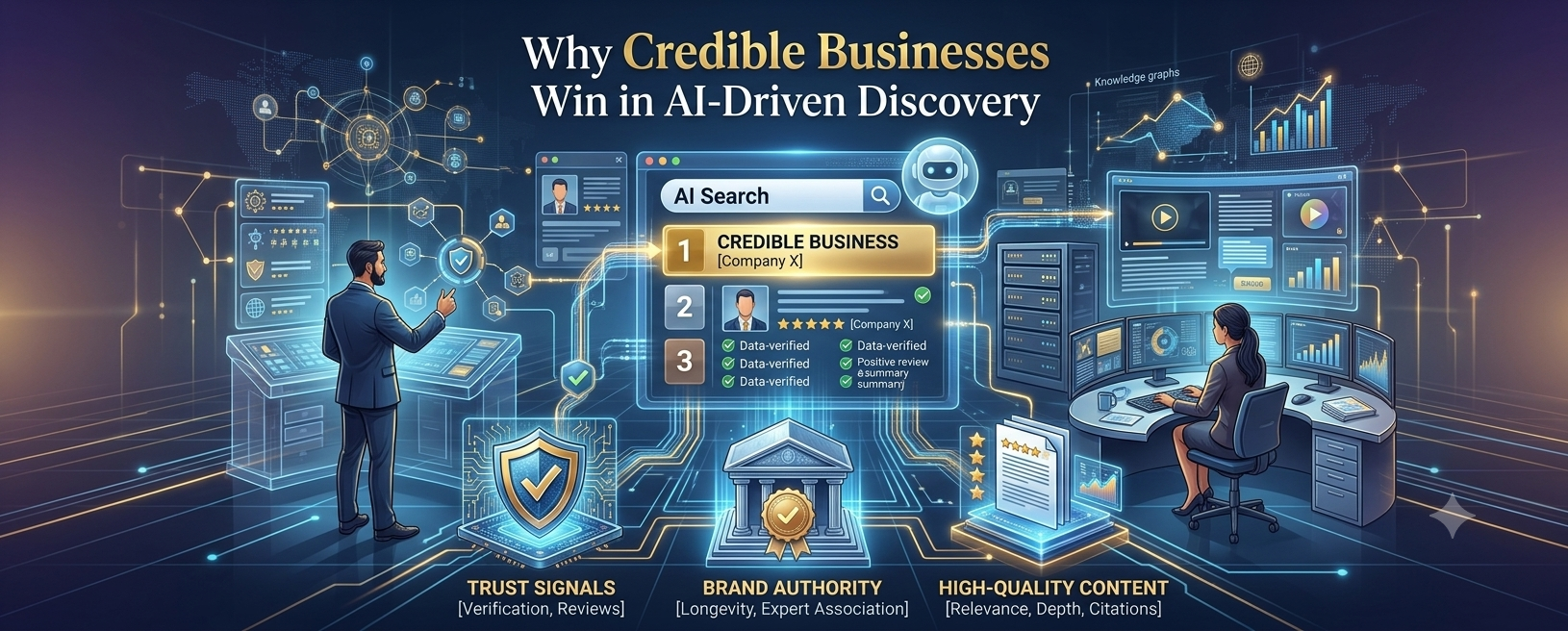
Building brand trust means giving customers genuine reasons to believe in your business. Clear service descriptions, accurate information, authentic testimonials, helpful content, and consistent communication all contribute to that confidence.
For example, an agency that explains its SEO process, shares relevant project examples, and communicates realistic expectations can give potential clients a better understanding of its capabilities than a business relying only on promotional claims.
Every interaction matters. A useful blog, a professional website, a thoughtful social media response, or a transparent advertisement can influence how people perceive your brand.
The goal is not just to attract attention. It is to help customers feel confident enough to choose you.
2. AEO: Helping Customers Find Answers Through AI
Answer Engine Optimization (AEO) focuses on making online content clear, useful, and relevant to questions people ask.
Customers increasingly use AI assistants to understand unfamiliar topics, compare services, and find solutions. Tools such as ChatGPT, Google Gemini, Microsoft Copilot, Perplexity, Claude AI, Meta AI, and You.com provide different ways for users to explore information.
For businesses, this creates an opportunity to answer customer questions more effectively.
Instead of publishing a page filled with general marketing statements, consider creating content that addresses questions such as:
-
What does a digital marketing agency do?
-
How can SEO improve online visibility?
-
What is the difference between SEO and PPC?
-
How can a business generate more qualified leads?
Provide direct answers, explain important details, and support factual claims with reliable information.
Well-organized headings, clear explanations, relevant examples, and accurate business information make content easier for readers to understand.
However, appearing in an AI-generated answer is not guaranteed. The practical goal of AEO is to make your expertise accessible and your content genuinely helpful.
When customers find useful answers associated with your brand, they have a stronger reason to explore your services.

3. GEO: Building Visibility in Generative AI Search
Generative Engine Optimization (GEO) focuses on improving how content can be discovered, understood, and potentially referenced by generative AI search experiences.
Platforms and experiences such as Google Search AI, Microsoft Bing AI, and DuckDuckGo AI illustrate how people can discover information through AI-assisted search.
This means businesses should think beyond individual keywords and consider the questions, context, and information customers need.
For example, a company offering website development could publish a detailed guide explaining website planning, responsive design, performance, maintenance, and common development challenges. This provides more useful information than a page that simply lists services.
Businesses can also use publishing platforms such as Substack to share relevant industry insights and develop a broader content presence.
To support GEO, focus on original insights, clear explanations, accurate business details, credible sources, and content that demonstrates real expertise.
There is no guaranteed method for securing an AI recommendation. Instead, build a trustworthy online presence that helps people and search systems understand what your business offers.
4. SEO: Improving Organic Search Visibility
Search Engine Optimization (SEO) helps businesses attract relevant visitors from organic search results. A strong SEO strategy makes it easier for potential customers to find useful information when they are actively looking for a solution.
Different businesses may require different SEO approaches.
E-Commerce SEO helps online stores improve product pages, category pages, and product information. On-Page SEO focuses on page titles, headings, content, internal links, and other elements within a website. Off-Page SEO involves building credibility through relevant external references and quality backlinks.
Content SEO helps businesses create useful articles, landing pages, and resources that address customer needs. Local SEO supports visibility for relevant location-based searches, while Multilingual SEO helps businesses serve audiences searching in different languages.
For example, a local service provider may benefit from location-specific pages and accurate business information. An online retailer may need well-organized product categories and descriptive product content.
Regardless of the approach, SEO should focus on useful content, technically accessible pages, mobile usability, and a clear website structure.
Keyword optimization matters, but writing naturally is equally important. Customers should find answers rather than encounter the same keyword repeated throughout every paragraph.
When your website is helpful, accessible, and relevant, organic search can become a valuable source of qualified visitors.
5. SMM: Creating Meaningful Connections on Social Media
Social Media Marketing (SMM) gives businesses opportunities to communicate directly with audiences, share expertise, and build relationships beyond their websites.
Different platforms serve different purposes. Facebook Marketing can help businesses connect with communities, while Instagram Marketing supports visual storytelling and short-form content. LinkedIn Marketing is useful for professional insights and business networking.
Businesses can also explore X (Twitter) Marketing, YouTube Marketing, TikTok Marketing, Pinterest Marketing, and Reddit Marketing, depending on their audiences and objectives.
For instance, a digital agency could publish an Instagram carousel explaining common SEO mistakes, share a detailed LinkedIn article about online visibility, and upload a YouTube tutorial demonstrating website optimization techniques.
These activities offer value before asking people to purchase a service.
Local discovery is another important consideration. Maintaining an accurate Google My Business (Google Business Profile) listing and relevant information for Bing Map Promotion can help customers find business details, directions, and contact information.
The key is to choose platforms that make sense for your audience. Consistent posting alone does not guarantee results; useful content and genuine engagement matter more.
By answering questions, responding professionally, and sharing relevant information, businesses can build stronger relationships with potential customers.
6. Digital Marketing: Connecting Every Customer Touchpoint
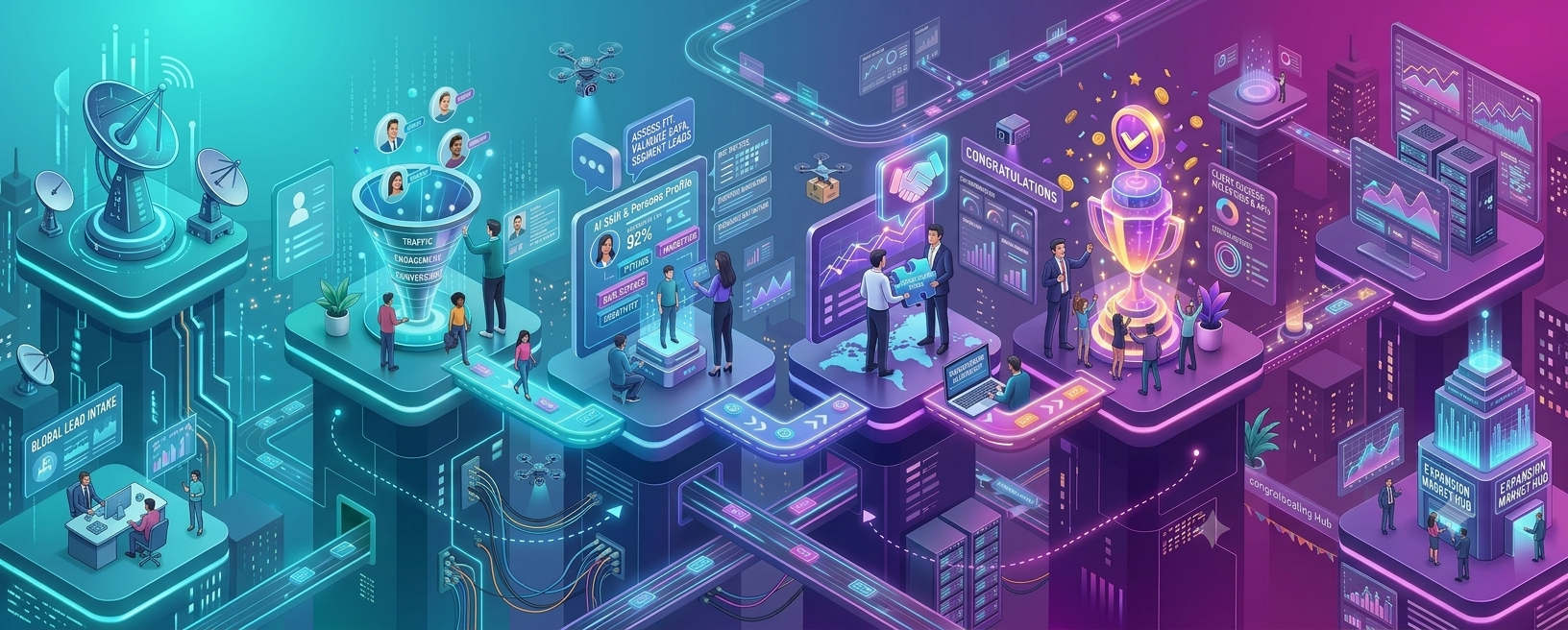
Digital Marketing (DM) brings different online channels together to support business growth. Rather than treating every activity as a separate campaign, businesses can create a coordinated experience that guides customers from discovery to purchase.
Alongside SEO and social media, businesses may use WhatsApp Marketing, Video Marketing, Reputation Management, Forum & Microblogging, Wikipedia Services, Quora Marketing, Blog Posting, Link Submission, Email Marketing, and Classified Listing, depending on their goals and the suitability of each activity.
WhatsApp Marketing can support customer communication when people have provided appropriate consent. Video Marketing helps businesses demonstrate products, explain services, and share educational content. Reputation Management focuses on monitoring customer feedback, responding to concerns, and maintaining a credible public presence.
Participating in relevant communities through Forum & Microblogging or contributing useful answers through Quora Marketing can demonstrate expertise when done genuinely rather than through repetitive promotion.
Blog Posting helps businesses address customer questions and publish detailed insights. Email Marketing supports ongoing communication with interested subscribers.
Activities such as Link Submission and Classified Listing should be selective and focused on legitimate, relevant platforms rather than mass submissions or low-quality links.
Wikipedia Services must follow Wikipedia's editorial policies, neutrality requirements, and conflict-of-interest guidelines. No provider can guarantee that a business page will be accepted or remain published.
The best strategy combines suitable channels around a clear objective: reaching relevant people, providing value, and helping customers make informed decisions.
7. PPC: Reaching Potential Customers Through Paid Advertising
Pay-Per-Click (PPC) advertising helps businesses reach relevant audiences through paid placements. Businesses commonly use Google Ads and Meta Ads to promote services, attract enquiries, and support campaign objectives.
Google Ads can help a business reach people searching for specific products or services. Meta Ads can support awareness, engagement, and lead-generation campaigns across eligible Meta platforms.
However, paid visibility does not automatically create trust.
Imagine a customer clicks an advertisement promoting professional SEO services. If the landing page clearly explains the service, outlines the process, and provides an easy way to enquire, the experience supports the advertisement's promise.
If the page is confusing or makes unrealistic claims, the customer may leave without contacting the business.
Effective PPC requires relevant targeting, clear messaging, appropriate budgets, and useful landing pages. Businesses should measure qualified leads, conversion rates, and acquisition costs instead of focusing only on clicks.
When paid campaigns are supported by reliable information and a consistent customer experience, they can create valuable opportunities for business growth.
8. Turning Brand Trust into Sales
Attracting visitors is only one part of the customer journey. Businesses must also help people understand their value and feel comfortable taking the next step.
A customer discovering your brand may need an informative article. Someone comparing providers may want genuine testimonials, case studies, or detailed service information. A person ready to enquire may simply need a clear contact form or an explanation of what happens next.
This is why building brand trust should be part of the entire digital marketing strategy.
Make your website easy to navigate. Keep service information accurate. Use genuine customer feedback and avoid unsupported performance claims. Ensure that your advertisements, social media content, and website communicate consistent messages.
It is also important to measure the right outcomes.
Monitor organic search traffic, qualified enquiries, landing-page engagement, conversion rates, lead quality, and customer retention. These metrics help reveal whether your marketing is attracting the right audience and contributing to business goals.
More traffic is not always better traffic. A smaller group of genuinely interested visitors may create more value than a large audience with little intention to purchase.
By improving content, removing friction, and making the customer journey easier, businesses can create a stronger connection between online visibility and sales.
Frequently Asked Questions
1. Why is brand trust important in digital marketing?
Brand trust helps customers feel confident before purchasing. Helpful content, accurate business information, genuine reviews, and consistent communication can strengthen credibility and support conversions.
2. How do AEO and GEO help businesses?
AEO focuses on providing clear answers to customer questions, while GEO focuses on improving content's discoverability and potential visibility in generative AI search experiences. Neither guarantees AI recommendations.
3. How does SEO help generate customers?
SEO helps relevant audiences discover a business through organic search. Useful content, optimized service pages, technical improvements, and a positive website experience can help turn relevant visits into enquiries.
4. Can social media marketing and PPC work together?
Yes. SMM can support audience engagement and brand awareness, while PPC can reach selected audiences through paid campaigns. Coordinated messaging and relevant landing pages help create a more consistent customer journey.
5. How can businesses measure digital marketing success?
Businesses can track qualified leads, conversion rates, organic search performance, customer feedback, acquisition costs, and retention. The most useful metrics depend on their business objectives.
6. How can a business improve its AI search visibility?
Publish accurate, useful content; demonstrate genuine expertise; organize information clearly; maintain an accessible website; and keep business details consistent. Visibility in AI-generated answers cannot be guaranteed.
Conclusion: From Search Visibility to Lasting Customer Relationships
The journey from search to sales is about more than ranking on Google or running advertisements. It is about helping customers discover your business, understand your expertise, and feel confident about choosing you.
AEO supports clear answers, GEO addresses discoverability in generative AI search, and SEO helps businesses strengthen organic visibility. SMM builds audience relationships, Digital Marketing connects different channels, and PPC creates opportunities to reach potential customers through paid advertising.
When these strategies work together, businesses can create a more consistent and useful customer experience.
At SEOAD, the opportunity is to connect search visibility, content, and digital marketing with meaningful business objectives.
Ready to turn your online visibility into customer growth? Explore SEOAD's digital marketing solutions to discover how a connected approach can help your business reach relevant audiences, strengthen credibility, and create opportunities for sustainable growth.